Tag: sustainable living

  • The Rise of Tiny Houses: A Sustainable Solution to Affordable Housing

    The Rise of Tiny Houses: A Sustainable Solution to Affordable Housing

    The Tiny House Movement: A History of Affordable Housing Solutions

    The tiny house movement is a growing trend in the United States that has gained popularity as an alternative solution for affordable housing. Tiny houses are typically defined as 400 square feet or less, with some as small as 80 square feet. They offer a minimalist lifestyle with the potential for mobility and a reduced environmental footprint. This article explores the history of the tiny house movement in the United States, its key milestones, influential figures, and current trends and challenges.

    The Origins of the Tiny House Movement

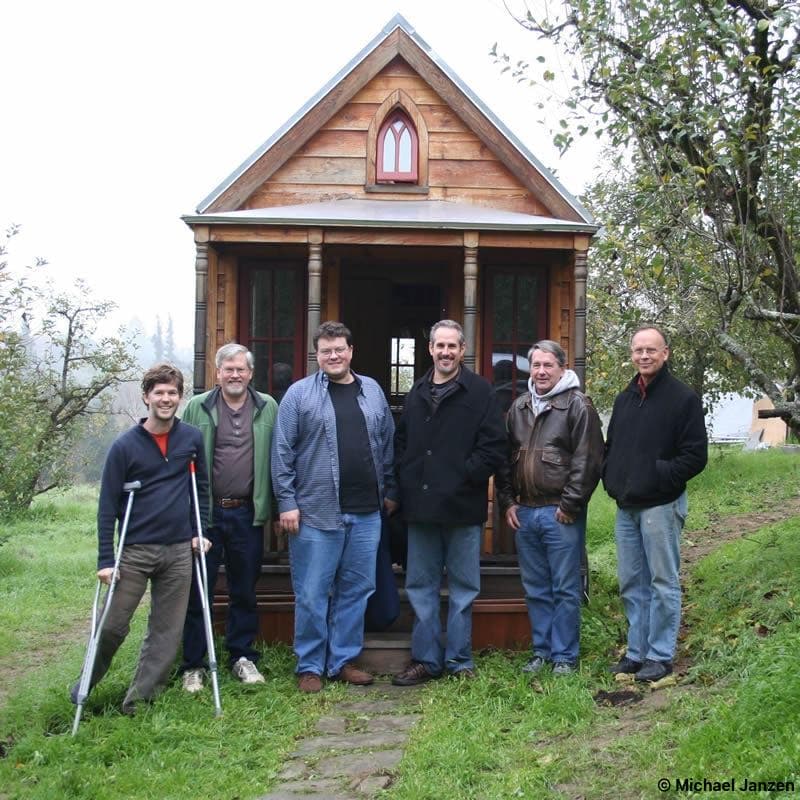
    The tiny house movement can be traced back to the early 2000s when influential figures like Jay Shafer, Dee Williams, and Michael Janzen began promoting living in smaller, more sustainable spaces. Shafer founded Tumbleweed Tiny House Company, which offered plans and workshops for building tiny houses. Williams wrote a book, The Big Tiny, about her experience building and living in an 84-square-foot house. Janzen started publishing plans and books for tiny houses, which sparked interest and discussion.

    Key Milestones in the Development of the Movement

    The 2008 financial crisis was a primary catalyst for the growth of the tiny house movement, as many people were looking for affordable housing options. Additionally, in 2018, the International Residential Code Appendix Q was introduced, providing a pathway for legally constructing tiny houses on foundations.

    Reasons Behind the Movement’s Popularity

    The tiny house movement has gained popularity as an affordable housing solution due to its relatively low cost of construction, reduced energy costs, and the ability to place tiny houses on cheaper, more accessible land. According to the Tiny House Industry Association, tiny houses have an average cost to build between $20,000 and $50,000, compared to the median home price in the United States of $347,500 in 2022. Tiny houses also have a smaller environmental footprint, requiring less energy to heat and cool.

    Statistics on Tiny Houses in the United States

    According to the U.S. Census Bureau, there were approximately 1,500 tiny houses in the United States in 2018. However, this number is likely much higher, as many tiny house owners still need to register their homes as permanent residences. Google Trends data shows that the search term “tiny house” has steadily increased in popularity since 2012, with a peak in 2019.

    Progress in Changing Government Zoning and Building Codes

    Changing government zoning and building codes has significantly challenged the tiny house movement. However, there have been some successes. Locations such as Spur, Texas, and Fresno, California, have changed zoning laws for tiny houses. Additionally, the International Code Council released the International Residential Code Appendix Q in 2018, providing a pathway to legally construct tiny houses on foundations.

    Legal Challenges Facing Tiny Houses

    Zoning laws, building codes, and regulations are significant legal challenges facing the tiny house movement. Many areas have minimum square footage requirements for homes, which makes it difficult for tiny houses to be legally constructed. Additionally, tiny houses on wheels are often classified as recreational vehicles, subject to different regulations than permanent residences.

    Conclusion

    The tiny house movement offers an affordable housing solution with reduced environmental impact. While there have been challenges in changing zoning and building codes and navigating legal regulations, progress has been made in some areas. As the search term “tiny house” continues to gain popularity, it is clear that the movement is here to stay.

  • Not All Earthships Are Tiny, but Yours Could Be

    Earthships are 100% sustainable homes that are both Energy Effecent and Awesome to live in. They offer amenities like no other building style you have come across. For the reasons that follow, I believe Earthships can actually change the world. See for yourself!” – Off Grid World

    Continue reading at Off Grid World

  • Interior Shots Update of Tiny House Ontario

    I had an MPAC person stop by my project, Tiny House Ontario a few days ago.  If you don’t know, these are the tax assessors that ensure that the people of Ontario pay their fair share of taxes. I am not opposed to paying my fair share of tax, what I oppose is the way that building codes do not allow people to build as they wish.  I absolutely understand and agree that they need to be put in place so that people don’t just build unsafe, cardboard dwellings in which they, their family and guests could easily burn to death.” – Laura

    See more of Laura’s Tiny House in Ontario…


  • Solar Shingles

    Thanks to Jennafer who told me about this product which is just about ready to go.  If this would have been available for THO I would have considered them.  To put this in perspective, a solar panel the size of my roof would easily give me enough power for heating, cooling and cooking.  Talk about sustainable solutions!” …continues

  • The Treehouse Diaries by Nick Weston

    The Treehouse Diaries: How to Live Wild in the Woods by Nick Weston captures what he learned while living off the land and in a treehouse after escaping the rat race in London.

    The Treehouse Diaries by Nick Weston

  • Tiny House in Oaxaca

    I ran across the blog of Mark Grossman and family this past week. It’s a wonderful journal that captures the step-by-step process building a tiny earthen home in Oaxaca, Mexico. I’ve not gotten through all his posts yet, which date back to 2007, but it definitely worth some time if you dream of a lifestyle like this.

    Oaxaca Home